What General Pest Control Includes in Arizona (Scorpions Too)
Curious what “general pest control” really includes in Arizona? Here’s why scorpion treatment should always be part of the package—and how to make sure it is.
What “General Pest Control” Really Means Here in Arizona
We recently got a call from a neighbor in the area — we’ll call him Mark — who said he’d heard about us from someone on his street. He started the conversation the same way we hear almost every day:
“So, just for like general pest spraying?”
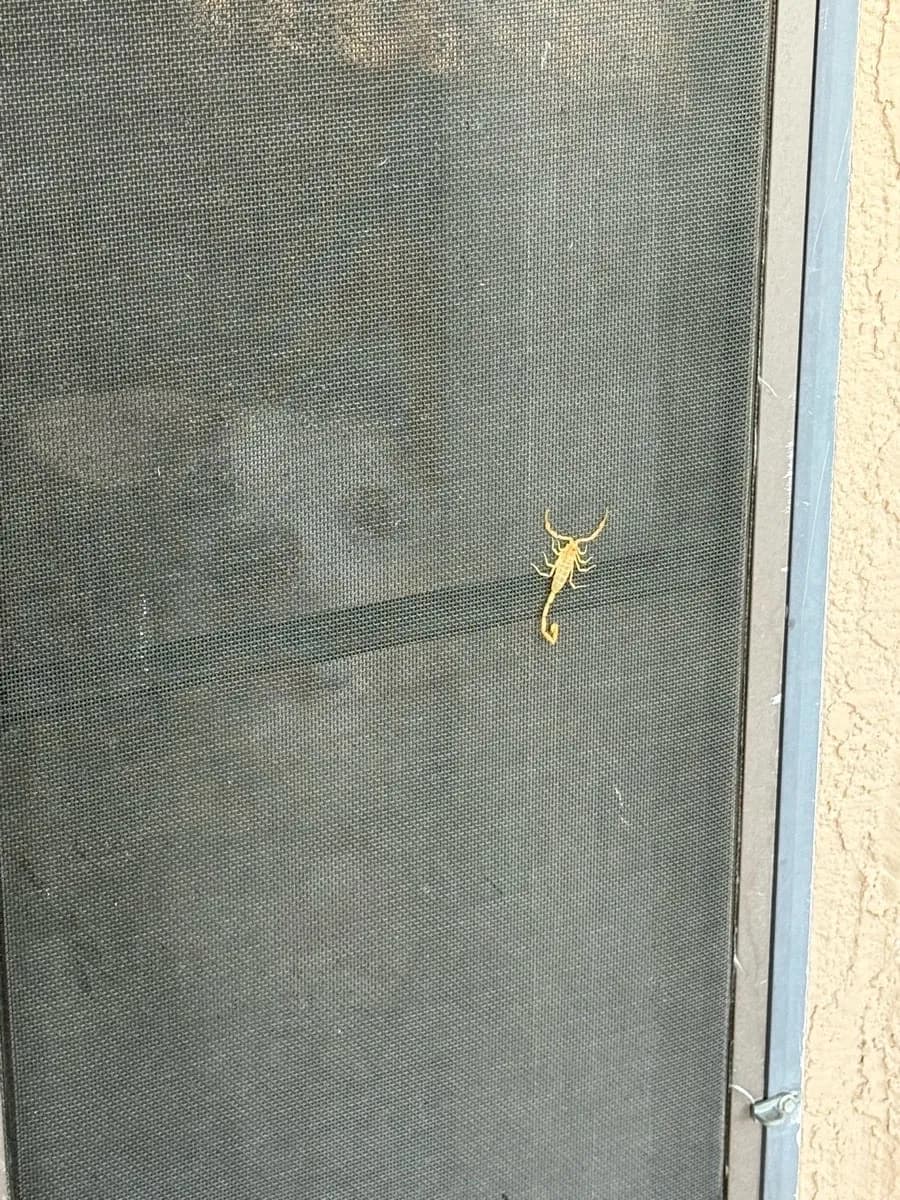
That’s a fair question, especially in Arizona where “pests” can mean anything from tiny ants to big bark scorpions. When we told Mark that, yes, our general pest service includes scorpions, he paused and said, “Oh, okay… I didn’t realize that was part of it.”
That quick call reminded us how confusing pest control terminology can be. So let’s break down what “general pest control” should include here in Arizona — and why scorpion treatment absolutely needs to be part of it.
What We Mean by “General Pest Control” in Arizona
When someone asks about “general pest spraying,” they’re usually picturing a technician walking around the house with a sprayer, putting down a barrier. That’s part of it — but a good Arizona program is more than just a quick spray.
In our service, general pest control typically covers:
Common crawling insects like ants, roaches, crickets, earwigs, and beetles
Occasional invaders like silverfish and pantry pests around the home
Spider control around eaves, foundations, and entry points
Perimeter protection around the outside of the home and yard
We design this service to create a protective buffer zone from the outside in: yard, perimeter, foundation, and key areas inside if needed.
Here in Arizona, though, there’s one more pest that has to be part of the conversation: scorpions.
Why Scorpions Should Always Be Included
On that call, when Mark asked if we did general pest spraying, our answer was simple: “Yes — and that includes scorpions. In Arizona, that should always be included in general pest.”
Here’s why we feel so strongly about that:
They’re a fact of life here. Bark scorpions love our climate and construction styles. Block walls, rock landscaping, and irrigated yards all create perfect scorpion habitat.
They follow their food. Scorpions eat other pests — especially crickets and roaches. If your “general pest” service doesn’t control those food sources effectively, you’ll naturally see more scorpions.
They’re a safety concern. While most stings aren’t life-threatening for healthy adults, they’re a serious concern for kids, pets, and people with sensitivities.
In our opinion, if a company in Arizona calls something “general pest control” but doesn’t include scorpion coverage, you’re not getting the protection you think you are.
What Scorpion-Inclusive Pest Control Looks Like
Scorpions aren’t handled exactly the same way as ants or roaches. When we say scorpions are included in our general pest program, here’s what that actually means in practice:
Specialized products and application methods rated for scorpions, not just general insects
Thorough exterior treatment of block walls, foundation lines, cracks, and crevices where scorpions hide
Attention to shelter areas like rock beds, wood piles, and debris where they like to stay cool and protected
Interior focus on entry points, baseboards, and plumbing penetrations if you’re seeing them indoors
We also pay attention to the ecosystem around your home. If crickets are hopping around your yard at night, that’s a dinner bell for scorpions. So reducing their food source is just as important as targeting the scorpions themselves.
How Often Should General Pest & Scorpion Service Be Done?
Mark’s next question was one we hear all the time: “How often do you have to come out?” The answer depends on your property and tolerance level, but in Arizona, a common schedule is:
Every month for heavy scorpion activity or sensitive situations (kids, pets, past stings)
Every other month for typical homes that want consistent prevention
Our desert climate is tough on products — intense heat and sun break them down faster than in cooler states. That’s why regular service is key to keeping that protective barrier strong.
Simple Things You Can Do to Help Keep Scorpions Away
Professional treatment goes a long way, but there are also a few practical steps you can take between visits to make your home less attractive to scorpions:
Seal gaps and cracks around doors, windows, and where pipes enter the home
Reduce clutter like wood piles, yard debris, and storage piled against walls
Use yellow “bug” lights outdoors to attract fewer insects (and therefore fewer scorpions)
Trim vegetation away from the foundation and walls
Check weatherstripping under doors — if you can see light, a scorpion may be able to squeeze through
Combined with a consistent pest control program that specifically includes scorpions, these steps make a noticeable difference.
Questions to Ask Before You Sign Up for “General Pest”
If you’re calling around like Mark did, here are a few questions we recommend asking any company in Arizona:
“Does your general pest service include scorpions?” (It should.)
“What pests are specifically covered?”
“How often do you recommend service for scorpions?”
“Do you treat block walls, rock beds, and other scorpion harborage areas?”
You deserve a clear answer on exactly what’s included so there are no surprises later.
Bottom Line: In Arizona, General Pest = Scorpion Control
When Mark first called, he thought “general pest spraying” just meant a basic bug treatment. Once we explained that our general service always includes scorpions, he said what we hear from a lot of Arizona homeowners:
“Good — that’s what I was really worried about.”
If you’re living in Arizona, we strongly believe any true “general pest control” program should take scorpions seriously. If you’re not sure what your current service includes, it’s worth a quick call to ask. And if you ever want us to walk you through exactly how we handle scorpions as part of our general pest plan, we’re always happy to talk it through with you.