Pigeon Problems on Your Roof: How Removal & Prevention Works
Pigeons on your roof? Learn how professional pigeon removal and prevention really works, and what to ask before you accept any quote.
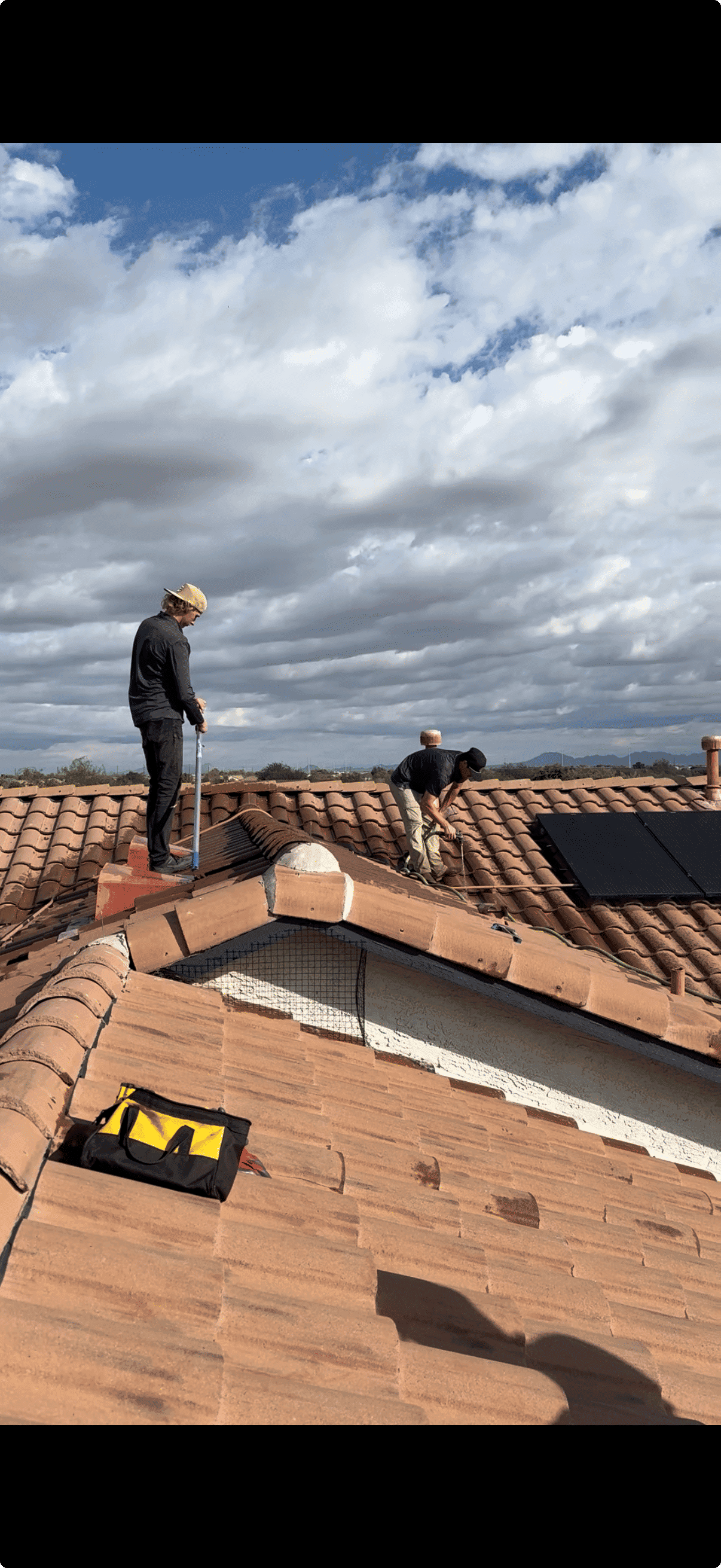
We Got a Call About Pigeons on the Roof… Here’s What Homeowners Should Know
We recently got a call from a homeowner — let’s call her Rachel — who lives in a newer subdivision and was starting to see pigeons hanging out on her roof. She’d noticed droppings on the driveway, feathers near the front entry, and that familiar cooing early in the morning. She told us she already had another company scheduled to give a quote and wanted us to come out as well so she could compare.
That kind of call is very common. Pigeon issues on tile roofs, in particular, are one of the top reasons we’re up on ladders. And like Rachel, most homeowners have no idea what to expect from a professional pigeon removal and prevention service, or how to compare quotes fairly.
So in this post, I’ll walk you through what actually happens during a pigeon inspection, what good pigeon control work includes, and the key questions you should ask before saying yes to any quote.
What We Look for During a Pigeon Inspection
When we arrive for a free pigeon evaluation and quote, we don’t just glance at the roof and throw out a number. We go through a checklist so we can figure out two things:
- Why pigeons chose your roof in the first place
- What it will take to keep them from coming back
On a typical visit, here’s what we’re examining:
- Roosting and nesting spots – Under roof overhangs, on peaks and ridges, around AC units, solar panels, and decorative ledges.
- Evidence of activity – Droppings (how much and where), feathers, nesting material, egg shells, and damage or staining.
- Entry points – Gaps under roof tiles, open eaves, spaces around pipes and vents where pigeons tuck in to escape heat and predators.
- Access to food and water – Nearby trash areas, pet food, neighbor’s bird feeders, or a community lake or fountain.
Once we’ve walked the property and, if needed, gotten on the roof, we can explain exactly what pigeons are doing up there and where they’re concentrating. That’s what should drive your quote — not just the square footage of your house.
What “Pigeon Removal” Really Means
Rachel’s first question to us was, “So do you just scare them away or actually get rid of them?” The answer: true pigeon control is a process, not a one-time shooing.
A solid pigeon removal and prevention plan typically includes:
- Humane removal – Disturbing and clearing active nesting areas and driving the birds off the roof humanely. This may include one or more visits, depending on how established the flock is.
- Thorough cleanup – Removing droppings and nesting materials in the affected areas we’ll be working on, so we’re not sealing in a health hazard. (Full-property sanitation is a separate service, but basic cleanup in work zones should be part of the job.)
- Sanitizing key spots – Applying a disinfectant where droppings have been concentrated to reduce odor and bacteria.
If a quote only mentions “pigeon removal” but doesn’t spell out cleanup or sanitizing, ask for details. Droppings are acidic and can damage roofing materials over time, and they can also harbor bacteria and fungi. Addressing that is part of doing the job right.
How Professional Pigeon Prevention Works
Removal is only half the battle. When Rachel asked, “How do we keep them from just coming back?” we walked her through the heart of the service: exclusion and deterrents.
Depending on your roof and the pigeons’ favorite spots, that might include:
- Screening and blocking gaps – Installing coated metal mesh or screens under roof tiles, at eave returns, and around exposed openings where pigeons nest or roost.
- Bird spikes or deterrent tracks – Placing them on ledges, ridge caps, AC stands, or parapet walls where pigeons like to perch. When installed correctly, they make landing uncomfortable without harming the birds.
- Solar panel protection – If you have solar, this often involves a specialized mesh skirt around the panels to keep pigeons from nesting underneath.
- Netting in tight areas – In courtyards, entry niches, or covered patios, discreet netting can block access while still looking clean.
The goal is to take away what pigeons want most from your roof: a safe, sheltered, high-up spot to sleep and raise their young. Once the “real estate” is gone, they move on.
Questions to Ask Before You Accept a Quote
Because Rachel was comparing multiple companies, we gave her a short list of questions she could use with everyone — including us. Here are the big ones:
- What exactly is included? Removal only, or removal, cleanup, sanitizing, and prevention hardware?
- Where will you install deterrents? Ask them to point out specific areas on your roof, not just generic “we’ll put spikes up.”
- What materials do you use? Look for UV-resistant, rust-resistant products designed for outdoor/roof use.
- Is there a warranty? Many reputable companies offer a warranty against pigeons reestablishing in the treated areas for a set period.
- Are you insured and licensed? This matters any time someone’s climbing on your roof.
When you have those answers in writing, comparing quotes becomes much easier. The cheapest number isn’t always the best value if it leaves key areas unprotected.
What Homeowners Can Do Before and After Service
There are a few simple steps you can take to support any professional pigeon work:
- Limit food sources – Avoid feeding birds, clean up pet food promptly, and keep trash areas closed.
- Rinse problem areas – If it’s safe to do so, light rinsing of droppings on hard surfaces can help in between professional cleanings.
- Keep an eye out – After prevention work, let your provider know if you see pigeons trying to squeeze into new areas. Early adjustments are usually easy.
When we left Rachel after her evaluation, she felt much more confident not just about our quote, but about how to fairly compare the other company’s proposal too. That’s our goal with every visit: educate first, then let you decide what feels right for your home and budget.
If you’re hearing that telltale cooing on your roof or noticing droppings where there used to be none, it’s a good time to schedule a professional look. Even if you’re still in the “just getting quotes” phase, a thorough evaluation will give you answers — and a clear plan to make your roof a pigeon-free zone again.